

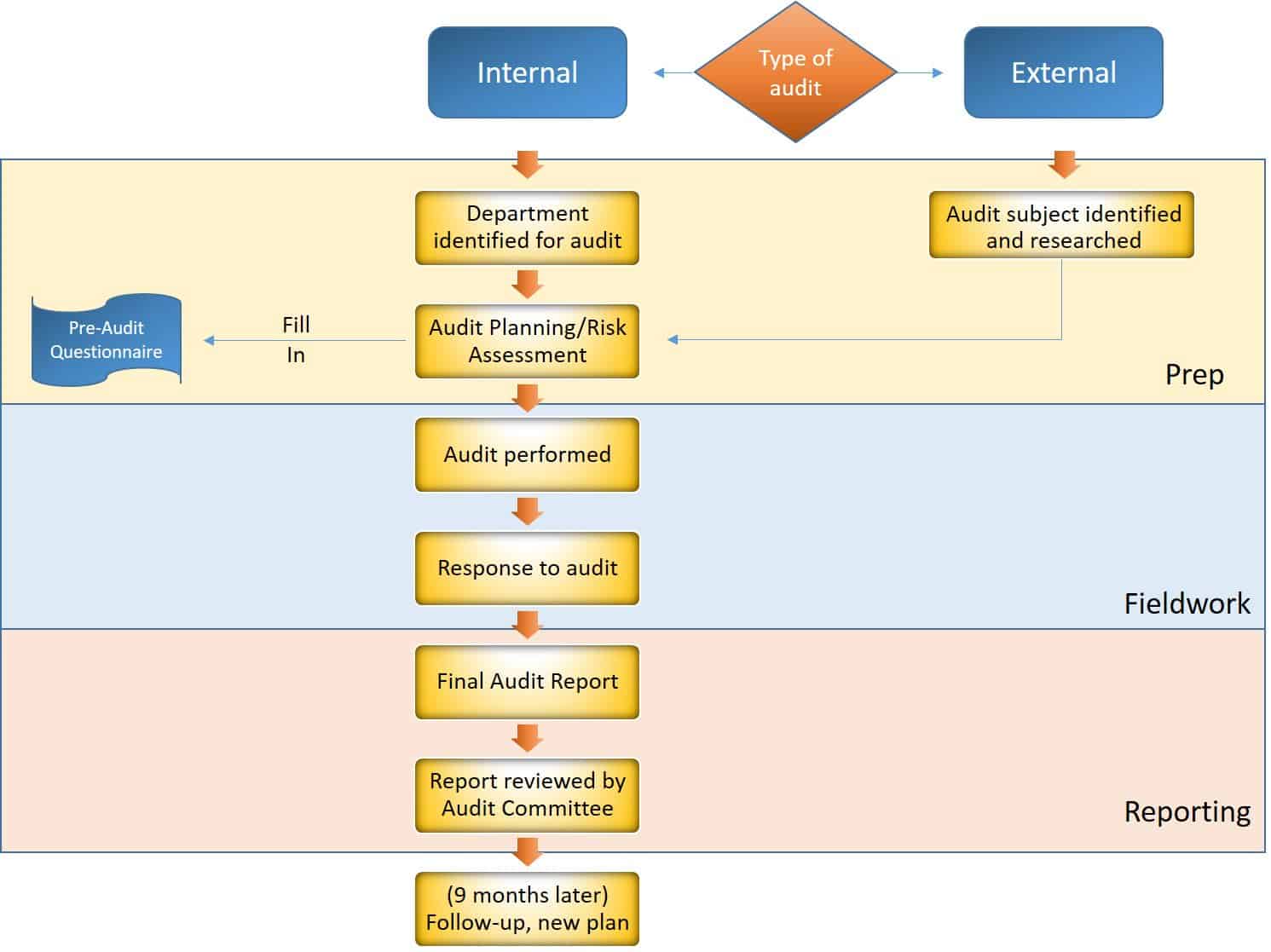
In today’s fast-paced and highly competitive business environment, the importance of a thorough and independent audit cannot be overstated. While many organizations view audits as a mere regulatory obligation, the reality is that they offer far more than just compliance. A well-conducted audit can provide invaluable insights, improve internal controls, and even serve as a strategic tool for growth and expansion. This article explores the numerous benefits of an audit, focusing on how it enhances transparency, mitigates risks, and supports long-term business success.
Audits are not just about checking boxes or meeting legal requirements; they are a critical component of sound financial management. By engaging a qualified auditor, businesses gain access to expert analysis that can uncover hidden inefficiencies, identify potential fraud, and ensure accurate financial reporting. This level of scrutiny is especially important for companies looking to scale their operations, seek investment, or expand into new markets. With the right audit framework in place, organizations can build trust with stakeholders, strengthen their financial foundations, and make informed decisions that drive sustainable growth.
Moreover, modern auditing techniques have evolved significantly, incorporating advanced technologies such as data analytics and computer-assisted audit tools (CAAT). These innovations enable auditors to detect anomalies, assess risk more effectively, and provide actionable recommendations that enhance overall governance. As businesses become more complex, the role of an audit becomes even more crucial in ensuring that financial processes are both efficient and compliant. Whether you're a small startup or a multinational corporation, understanding the value of a comprehensive audit can make all the difference in achieving long-term success.
The Role of Audits in Enhancing Financial Transparency
One of the most significant benefits of an audit is its ability to enhance financial transparency. When a company undergoes an independent audit, its financial statements are reviewed by a qualified professional who ensures that they accurately reflect the organization's financial position. This process provides stakeholders—such as investors, suppliers, and financial institutions—with greater confidence in the reliability of the data presented.
According to a 2025 report by the American Institute of Certified Public Accountants (AICPA), businesses that maintain transparent financial reporting are more likely to attract investment and secure favorable financing terms. This is because audited financial statements are viewed as more trustworthy, reducing the perceived risk associated with investing in or partnering with the company. For organizations seeking to grow or expand, this level of credibility can be a game-changer, enabling them to access capital, form strategic alliances, and enter new markets with greater ease.
Additionally, audits help identify discrepancies or irregularities in financial reporting that might otherwise go unnoticed. These findings can lead to improved internal controls, which in turn reduce the likelihood of errors or fraudulent activities. By addressing these issues early, businesses can prevent costly mistakes and maintain the integrity of their financial systems. This proactive approach not only strengthens the company's financial health but also fosters a culture of accountability and ethical behavior.
Strengthening Internal Controls and Preventing Fraud
Another critical advantage of an audit is its role in strengthening internal controls and preventing fraud. During the audit process, auditors evaluate the effectiveness of a company’s financial and operational procedures, identifying areas where weaknesses may exist. These assessments often result in detailed reports known as "management letters," which highlight control issues and recommend improvements to mitigate risks.
According to the Association of Certified Fraud Examiners (ACFE), over 70% of fraud cases go undetected for more than a year, often due to inadequate internal controls. An independent audit can help uncover these vulnerabilities before they lead to significant losses. By implementing the auditor’s recommendations, businesses can create a more robust system of checks and balances, making it harder for fraudulent activities to occur.
Furthermore, audits encourage a culture of transparency and accountability within the organization. When employees know that their work is being reviewed and evaluated, they are more likely to adhere to established procedures and act ethically. This sense of vigilance can deter misconduct and promote a more responsible and compliant workplace environment. In addition, regular audits can help detect early warning signs of potential issues, allowing management to take corrective action before problems escalate.
Leveraging Technology for Enhanced Risk Identification
The integration of technology in the audit process has revolutionized the way auditors analyze financial data and identify risks. Tools such as Computer-Assisted Audit Techniques (CAAT) and data analytics allow auditors to process large volumes of information quickly and efficiently, uncovering patterns and anomalies that might be missed through traditional methods. These advancements not only improve the accuracy of audits but also enhance their overall effectiveness.
According to a 2025 study by Deloitte, the use of data analytics in audits has increased by over 40% in the past three years, with many firms reporting improved risk detection and more timely insights. CAAT tools enable auditors to perform detailed analyses of financial transactions, identifying inconsistencies and potential red flags that could indicate fraud or mismanagement. This level of precision helps businesses stay ahead of emerging threats and maintain a strong financial posture.
In addition to improving risk identification, technology also streamlines the audit process, reducing the time and resources required to complete an audit. Automated systems can flag suspicious activity in real-time, allowing auditors to focus on high-risk areas and provide more targeted recommendations. This efficiency not only benefits the audit itself but also allows businesses to allocate their resources more effectively, supporting other critical aspects of their operations.
Improving Tax Compliance and Reducing Risk
Tax compliance is another area where audits play a vital role in helping businesses avoid penalties and maintain good standing with regulatory authorities. Auditors are trained to identify potential tax risks and ensure that a company’s financial records align with applicable tax laws and regulations. This includes reviewing tax returns, assessing transfer pricing strategies, and evaluating the accuracy of financial disclosures related to international transactions.
A 2025 report by the IRS highlights the growing complexity of tax regulations, particularly for businesses operating across multiple jurisdictions. An independent audit can help organizations navigate these challenges by providing a clear understanding of their tax obligations and ensuring that they remain in compliance. This is especially important for companies involved in cross-border transactions, where even minor errors can lead to significant penalties or legal consequences.
In addition to reducing the risk of non-compliance, audits also help businesses optimize their tax strategies. By analyzing financial data and identifying opportunities for tax savings, auditors can provide valuable insights that support long-term financial planning. This proactive approach not only minimizes the risk of unexpected liabilities but also helps businesses make informed decisions that align with their broader financial goals.
Gaining Industry Insights and Strategic Advantages
Beyond the immediate benefits of compliance and risk management, audits also offer valuable industry insights that can inform a company’s strategic direction. Experienced auditors bring a wealth of knowledge from working with businesses across various sectors, allowing them to provide tailored advice that addresses specific challenges and opportunities.
For example, an auditor with expertise in international business practices can help a company understand the nuances of operating in different markets, including local tax regulations, compliance requirements, and cultural considerations. This kind of insight can be particularly beneficial for businesses looking to expand their operations or enter new regions.
Moreover, audits can serve as a platform for continuous improvement. By regularly reviewing financial processes and internal controls, businesses can identify areas for optimization and implement changes that enhance efficiency and performance. This ongoing evaluation ensures that the company remains agile and adaptable in the face of changing market conditions, positioning it for long-term success.
Conclusion: The Strategic Value of a Comprehensive Audit
In conclusion, an audit is much more than a routine compliance exercise—it is a strategic tool that can drive business growth, enhance transparency, and mitigate risks. From improving internal controls and preventing fraud to leveraging technology and gaining industry insights, the benefits of a comprehensive audit are far-reaching. As businesses continue to navigate an increasingly complex and competitive landscape, the role of an independent audit becomes even more essential.
By investing in a quality audit, organizations can build trust with stakeholders, strengthen their financial foundations, and make informed decisions that support long-term success. Whether you're looking to expand your operations, secure financing, or simply improve your financial management practices, an audit can provide the clarity and guidance needed to achieve your goals. In today’s dynamic business environment, the value of a well-conducted audit cannot be overlooked.