

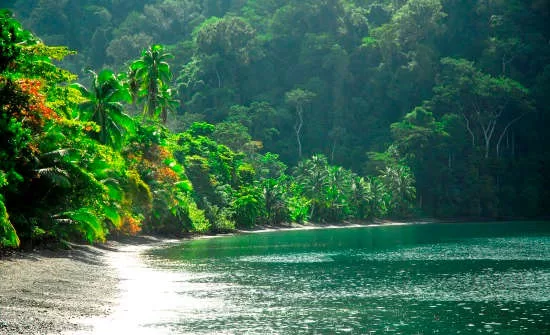
Corcovado National Park in Costa Rica is a hidden gem that offers an unparalleled experience for nature lovers, wildlife enthusiasts, and adventure seekers. Located on the Osa Peninsula, this vast tropical rainforest spans over 163 square miles and is considered one of the most biologically diverse regions on the planet. Known as "the most biologically intense place on Earth" by National Geographic, Corcovado is a sanctuary for rare and endangered species, making it a must-visit destination for those looking to immerse themselves in the wonders of the natural world. With its remote location, dense jungle, and rich biodiversity, Corcovado provides a unique opportunity to witness wildlife in its purest form—untouched by human interference.
The park’s significance extends beyond its beauty; it serves as a critical habitat for numerous species, including jaguars, tapirs, and a variety of monkeys. Visitors can explore the lush landscape through guided tours, day hikes, or even aerial excursions, all while experiencing the raw power of nature. The journey to Corcovado itself is an adventure, requiring travelers to navigate through small towns like Drake Bay or Puerto Jimenez before reaching the ranger stations that serve as entry points into the park. This combination of accessibility and seclusion makes Corcovado a prime example of how conservation efforts can preserve some of the world’s most vital ecosystems.
For those planning a visit, understanding the best time to go is essential. The dry season, from December to April, offers the most favorable conditions for exploration, with less rainfall and more opportunities to spot wildlife. However, the rainy season, which runs from May to November, brings its own set of advantages, including vibrant greenery and fewer crowds. Regardless of when you choose to visit, Corcovado remains a breathtaking destination that continues to inspire researchers, scientists, and travelers alike. Whether you're hiking through dense jungles, snorkeling in crystal-clear waters, or simply soaking in the beauty of the surroundings, Corcovado National Park promises an unforgettable experience that will leave a lasting impression.
Why Visit Corcovado National Park?
Corcovado National Park stands out as one of the most pristine and untouched natural reserves in the world, offering visitors a rare chance to experience wildlife in its most authentic state. Unlike many other national parks where animals are accustomed to human presence, the creatures in Corcovado have not been fed or habituated to tourists, allowing for more natural and undisturbed encounters. This makes Corcovado a prime location for wildlife observation, where visitors can witness animals like jaguars, pumas, and tapirs in their natural habitats. The park's commitment to conservation has helped maintain these delicate ecosystems, ensuring that future generations can continue to enjoy its beauty.
In addition to its ecological significance, Corcovado is also a hotspot for biodiversity. It is home to over 2.5% of the world's biodiversity, with thousands of plant and animal species found nowhere else on Earth. The park’s diverse landscapes include rainforests, beaches, mangroves, and wetlands, each supporting a wide array of flora and fauna. For birdwatchers, Corcovado is a paradise, with over 400 species of birds, including the striking scarlet macaw and the elusive toucan. The marine life surrounding the park is equally impressive, with coral reefs, sea turtles, and dolphins thriving in the warm waters of the Pacific Ocean.
Beyond its natural attractions, Corcovado offers a range of activities that cater to different interests. From guided hikes through the jungle to snorkeling and diving in the clear waters of Cano Island, there is something for every type of traveler. The park’s remote location also adds to its allure, providing a sense of isolation and tranquility that is hard to find elsewhere. Whether you’re seeking adventure, relaxation, or a deeper connection with nature, Corcovado National Park delivers an experience that is both unique and unforgettable.
What Animals Can You See in Corcovado?
Corcovado National Park is a haven for wildlife, boasting an incredible variety of species that call this rainforest home. Among the most iconic residents are the big cats, including the elusive jaguar, ocelot, margay, and jaguarundi. These predators are primarily nocturnal, making sightings a rare and exciting occurrence. Visitors may also encounter the white-faced capuchin, spider monkey, squirrel monkey, and the powerful howler monkey, all of which are commonly seen throughout the park. These primates play a crucial role in seed dispersal, helping to maintain the health of the rainforest ecosystem.
In addition to mammals, Corcovado is home to a wide array of reptiles, amphibians, and birds. The vibrant red-eyed tree frog is one of the most recognizable species, often spotted clinging to leaves in the dense undergrowth. Other notable inhabitants include the two-toed and three-toed sloths, which move slowly through the canopy, and the endangered Baird’s tapir, a large herbivore that is rarely seen due to its shy nature. The park is also a sanctuary for various bird species, including the colorful toucan, the majestic scarlet macaw, and the elusive harpy eagle, which is one of the largest raptors in the world.
Marine life around Corcovado is just as diverse, with sea turtles nesting on the park’s beaches and dolphins and whales frequently spotted in the surrounding waters. Snorkelers and divers can explore the vibrant coral reefs and encounter a wide range of fish, sea stars, and other marine creatures. The combination of terrestrial and marine biodiversity makes Corcovado a true treasure trove for nature lovers and scientists alike.
Best Time to Visit Corcovado National Park
The timing of your visit to Corcovado National Park plays a significant role in determining the quality of your experience. The park experiences two distinct seasons: the dry season and the rainy season. The dry season, which typically runs from December to April, is considered the best time to visit due to the lower chances of rain and more comfortable temperatures. During this period, the trails are easier to navigate, and wildlife is more active, making it an ideal time for hiking, birdwatching, and exploring the park’s diverse ecosystems.
However, the rainy season, which begins in May and lasts until early December, also has its advantages. The heavy rains bring a burst of life to the rainforest, resulting in lush greenery and an abundance of flowers and fruits that attract a wide range of animals. While the weather can be unpredictable, the increased humidity and rainfall create a unique atmosphere that many travelers find enchanting. It’s important to note that some lodges and tour operators may reduce their availability during the peak of the rainy season, particularly in September and October, when the rainfall is at its highest.
To ensure a smooth and enjoyable trip, it’s recommended to plan your visit based on your preferences and travel goals. If you’re interested in wildlife spotting, the dry season is the optimal choice. If you prefer a more secluded and tranquil experience, the rainy season might be more suitable. Regardless of when you choose to visit, Corcovado National Park offers a once-in-a-lifetime opportunity to connect with nature in one of the most biodiverse regions on the planet.
How to Get to Corcovado National Park
Reaching Corcovado National Park requires a bit of planning, as the park is located in one of the most remote areas of Costa Rica. Most visitors start their journey in either Drake Bay or Puerto Jimenez, two small towns on the Osa Peninsula that serve as gateways to the park. From these locations, travelers can arrange transportation to the park’s ranger stations, which act as entry points for visitors.
One common route involves traveling to Sierpe, a small coastal town where a boat ride takes visitors to their eco-lodge in Drake Bay. Private ground transportation can be arranged from major cities like Manuel Antonio or the South Pacific Coast, depending on the traveler’s starting point. Alternatively, travelers can fly into the Palmar Sur domestic airport and then take a short ground transfer to Sierpe before continuing by boat. For those flying into San José, a 50-minute domestic flight to Puerto Jimenez is another option.
Once in Drake Bay or Puerto Jimenez, visitors can access the park via charter flights, boats, or four-by-four vehicles. The journey to the park’s ranger stations, such as San Pedrillo or Sirena, can vary in duration and difficulty, depending on the chosen mode of transportation. It’s important to note that the park’s facilities are basic, and visitors should come prepared for a rustic and immersive experience. For those unsure about the logistics, working with a local expert can help streamline the process and ensure a seamless arrival at Corcovado National Park.
Corcovado Ranger Stations: Your Gateway to the Rainforest
Upon arriving at Corcovado National Park, visitors typically enter through one of the park’s ranger stations, which serve as key access points to the rainforest. The two main ranger stations are San Pedrillo and Sirena, both located on the northern coastline of the Osa Peninsula. These stations provide essential services, including information, guided tours, and accommodations for overnight stays. However, it’s important to note that the facilities at these stations are quite basic, as the focus remains on preserving the natural environment rather than offering luxury amenities.
San Pedrillo Ranger Station is the northernmost entry point and is approximately 25 minutes away from Drake Bay by boat. Due to its location, visitors often arrive with a wet landing, as the boat docks directly on the beach. This station is known for its relatively straightforward access to the rainforest, making it a popular choice for those looking to begin their trek into the park. On the other hand, Sirena Ranger Station is about an hour from Drake Bay by boat and is considered one of the most biologically diverse areas within Corcovado. As the headquarters of the park, Sirena is also the only ranger station that offers meals from a restaurant, making it a convenient stop for travelers who need to refuel after a long journey.
Despite the limited infrastructure, the ranger stations play a crucial role in managing visitor access and ensuring the preservation of the park’s delicate ecosystems. Park regulations require all visitors to have a certified guide, and the number of guests allowed at each entrance is strictly controlled to minimize environmental impact. This approach helps maintain the integrity of Corcovado’s natural resources while still allowing visitors to experience the wonders of the rainforest.
What to Expect When Exploring Corcovado National Park
Visiting Corcovado National Park is an adventure that requires preparation and a willingness to embrace the challenges of the rainforest. One of the most notable aspects of the park is the absence of roads, meaning that all exploration is done on foot. Hiking through the dense jungle can be physically demanding, especially during the rainy season when the trails become muddy and slippery. Visitors should be prepared for a variety of weather conditions, as the park receives an average of 20 feet of rainfall per year.
In addition to the physical challenges, the park’s high humidity and heat can make the experience more strenuous, particularly during the dry season. To stay comfortable, it’s recommended to wear moisture-wicking clothing, bring plenty of water, and use insect repellent to protect against mosquitoes and other pests. The park’s trails offer a range of experiences, from easy walks along the beach to more challenging hikes through the rainforest, allowing visitors to tailor their adventure to their fitness level and interests.
Another important consideration is the requirement for a certified guide. Since 2014, all visitors to Corcovado National Park must be accompanied by a licensed guide, ensuring that they follow designated trails and adhere to park regulations. This rule not only helps protect the environment but also enhances the visitor experience by providing valuable insights into the park’s flora, fauna, and history. Whether you’re hiking through the jungle, snorkeling in the ocean, or simply enjoying the scenery, having a knowledgeable guide can greatly enrich your time in Corcovado.
Day Tours in Corcovado National Park
For those who prefer a more structured and guided experience, Corcovado National Park offers a variety of day tours that allow visitors to explore the park without the need for extensive planning. These tours are typically offered by the eco-lodges located near the park and include a range of activities such as hiking, wildlife observation, and boat excursions. Many of these packages also include lunch, making them a convenient option for travelers who want to maximize their time in the park.
One popular option is a full-day hike through the rainforest, which allows visitors to experience the park’s diverse ecosystems up close. These hikes often take place along well-maintained trails, with guides providing insights into the local flora and fauna. Another option is a boat tour, which offers a different perspective of the park, allowing visitors to see wildlife from the water and explore the surrounding coastlines. For those who prefer a more relaxed approach, a scenic boat ride through the jungle waterways can provide a peaceful and immersive experience.
In addition to land-based tours, some eco-lodges offer aerial excursions, which involve a charter flight to the Sirena Biological Station followed by a guided tour of the area. These flights provide a unique vantage point of the rainforest and are a great way to appreciate the scale and beauty of Corcovado from above. No matter which tour you choose, visiting Corcovado National Park with a guide ensures a safe and informative experience while supporting the park’s conservation efforts.
Where to Stay Near Corcovado National Park
For those planning to spend time in Corcovado National Park, staying at an eco-lodge near the Osa Peninsula is highly recommended. These lodges are strategically located in the surrounding areas, providing easy access to the park while offering a blend of comfort and sustainability. Many of the eco-lodges are designed with the environment in mind, using locally sourced materials and implementing eco-friendly practices to minimize their impact on the surrounding ecosystem.
One of the most popular options is Lapa Rios Luxury Eco Lodge, located near Puerto Jimenez. This lodge offers a luxurious yet eco-conscious retreat, complete with private villas, gourmet dining, and guided tours of the surrounding rainforest. Other eco-lodges in the area, such as Playa Nicuesa Rainforest Lodge and Luna Lodge, provide similar experiences with a focus on sustainability and immersion in nature. These lodges often include all-inclusive packages, covering meals, guided excursions, and accommodations, making them an ideal choice for travelers seeking convenience and comfort.
Due to the remote nature of the Osa Peninsula, it’s advisable to book accommodations well in advance, especially during peak travel seasons. The limited availability of lodges and the high demand for eco-tourism mean that reservations can fill up quickly, particularly during the dry season when the weather is most favorable for outdoor activities. By securing a room in advance, travelers can ensure a stress-free and enjoyable experience in one of the most beautiful and ecologically significant regions of Costa Rica.
Essential Items to Bring for Your Corcovado Adventure
Packing the right gear is essential for a successful visit to Corcovado National Park, as the environment can be challenging and unpredictable. The park’s dense rainforest, high humidity, and frequent rainfall mean that visitors should come prepared for a variety of conditions. A good pair of hiking shoes or water shoes is a must, as the trails can be muddy and slippery, especially during the rainy season. In addition to sturdy footwear, it’s recommended to bring quick-drying clothes, a waterproof jacket, and a hat to protect against the sun and rain.
Other essential items include a reusable water bottle, sunscreen, insect repellent, and a camera to capture the stunning landscapes and wildlife. Binoculars are also useful for birdwatching and observing animals from a distance. Travelers entering the park through the Sirena Ranger Station should bring a change of shoes, as the wet landing from the boat requires waterproof footwear that can be easily swapped for hiking boots. A dry bag is also recommended to keep personal belongings safe from moisture.
By packing the right essentials, visitors can ensure a comfortable and enjoyable experience in Corcovado National Park. The combination of physical preparation and appropriate gear allows for a more immersive and rewarding journey through one of the most biodiverse regions on the planet.
Discover More Natural Wonders Near Corcovado
While Corcovado National Park is a standout destination, the surrounding region offers additional natural attractions that are worth exploring. One such area is Piedras Blancas National Park, which was once part of Corcovado but became a separate entity due to historical land ownership changes. Located on the opposite side of the Golfo Dulce, Piedras Blancas is known for its pristine rainforests, secluded beaches, and diverse wildlife. Like Corcovado, it offers a remote and rugged experience, making it an ideal complement to a visit to the larger park.
Another nearby attraction is Cano Island, a small island located approximately 10 miles off the coast of the Osa Peninsula. Renowned for its exceptional snorkeling and diving opportunities, Cano Island is home to a vibrant coral reef system and a wide array of marine life, including sea turtles, manta rays, and sharks. The island’s clear waters and abundant underwater activity make it a favorite among water sports enthusiasts. Many eco-lodges in the area offer day trips to Cano Island, allowing visitors to experience the beauty of the ocean without leaving the comfort of their accommodation.
By exploring these neighboring destinations, travelers can gain a broader appreciation for the natural wonders of the Osa Peninsula and the surrounding region. Each of these locations offers a unique perspective on the biodiversity and ecological significance of Costa Rica’s rainforests and coastlines.