
Santa Rosa National Park Travel Guide: Must-See Spots and Attractions

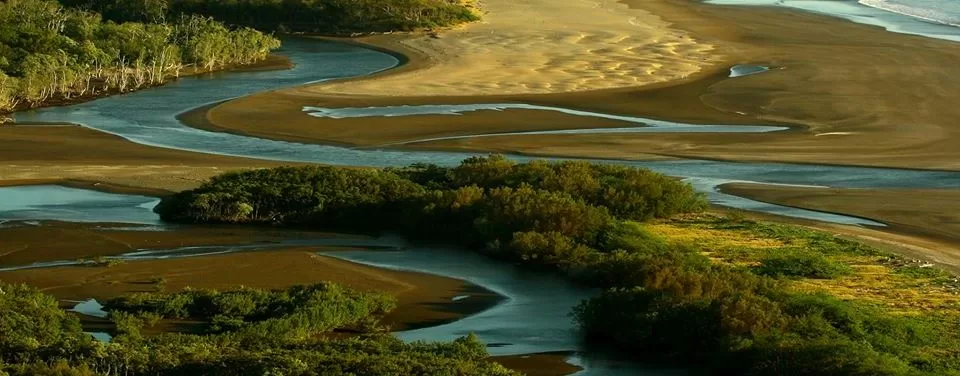
Santa Rosa National Park is one of the most unique and ecologically significant destinations in Central America, offering a rare glimpse into the country's natural beauty and historical heritage. Located in the Guanacaste region, this 386-square-kilometer park is home to one of the largest remaining tracts of tropical dry forest in the world. Known for its diverse ecosystems, rich wildlife, and stunning beaches, Santa Rosa provides an unforgettable experience for nature lovers, adventure seekers, and history enthusiasts alike.
The park’s significance extends beyond its natural landscapes. It was the first national park established in Costa Rica, originally created not to protect land but to preserve La Casona, a historic building that played a pivotal role in the nation’s independence. Today, La Casona stands as a museum, showcasing the events that shaped Costa Rica’s past. Visitors can explore its restored architecture and learn about the country’s history through exhibits available in both Spanish and English.
Beyond its historical value, Santa Rosa National Park is a haven for biodiversity. The park hosts over 250 bird species, including the vibrant white-throated magpie jay and various parrots, making it a prime destination for birdwatchers. The dry season, which runs from December to May, brings unique opportunities to observe wildlife as animals congregate around water sources. This period also offers ideal conditions for exploring the park’s trails, beaches, and natural wonders.
A Unique Ecosystem in the Heart of Costa Rica
Santa Rosa National Park is classified as a tropical dry forest, characterized by its low rainfall and distinct seasonal changes. During the dry season, which typically lasts from December to May, the region experiences minimal precipitation, leading to a landscape where many plants shed their leaves. This ecological adaptation allows the park to support a wide range of flora and fauna that have evolved to survive in such conditions.
The park’s ecosystem includes savannahs, deciduous forests, marshlands, and mangroves, each contributing to its rich biodiversity. These varied habitats support a wide array of wildlife, from capuchin monkeys and jaguars to tapirs and ocelots. The presence of these species highlights the importance of Santa Rosa as a critical conservation area. According to the World Wildlife Fund (WWF), tropical dry forests are among the most threatened ecosystems globally, with less than 10% of their original extent remaining. Protecting areas like Santa Rosa is essential for preserving these fragile environments.
In addition to its terrestrial wildlife, the park is also a vital nesting site for several species of sea turtles. Playa Nancite, one of the park’s most famous beaches, becomes a hotspot during the months of September and October when thousands of sea turtles come ashore to lay their eggs. This natural phenomenon attracts researchers, conservationists, and tourists who want to witness the remarkable process firsthand. However, access to the beach is restricted to ensure the safety of the turtles and their nests.
Must-See Attractions and Experiences
Santa Rosa National Park is renowned for its breathtaking natural attractions, many of which are accessible only by 4x4 vehicles due to the rugged terrain. Among the most popular spots is Witch’s Rock (Roca Bruja) at Playa Naranjo, a massive boulder that rises dramatically from the ocean. This iconic landmark is a favorite among surfers and photographers, offering panoramic views of the coastline and the surrounding jungle.
Another highlight is the surfing spot known as Ollie’s Point, named after the legendary surfer Ollie Douran. The consistent waves and scenic backdrop make this location a must-visit for water sports enthusiasts. For those seeking a more tranquil experience, the pristine beaches of Santa Rosa provide a perfect setting for relaxation, swimming, and snorkeling.
For visitors interested in exploring the park’s remote areas, the Murcielago Sector offers a more secluded and untouched environment. This sector is home to Playa Blanca, a white-sand beach known for its stunning beauty and peaceful atmosphere. The trailhead for Poza el General, a natural watering hole, is another attraction within this sector, providing a unique opportunity to experience the park’s wilderness up close.
Exploring Santa Rosa with Expert Guidance
While Santa Rosa National Park can be explored independently, guided tours offer a more enriching and informative experience. Naturalist guides are well-versed in the park’s ecology, history, and wildlife, allowing visitors to gain a deeper understanding of the area’s significance. Many tour operators in Costa Rica specialize in creating personalized itineraries that combine hiking, wildlife observation, and cultural exploration.
One popular tour is the Santa Rosa National Park Guided Hike & Liberia City Tour, which combines a visit to the park with a tour of the nearby city of Liberia. This tour includes transportation, entrance fees, a guide, and lunch, making it a convenient option for travelers. During the hike, participants can expect to encounter a variety of wildlife, including monkeys, deer, and birds, while learning about the park’s unique ecosystems.
Liberia, often referred to as “La Ciudad Blanca” (The White City) due to its white adobe houses and streets, has a rich cultural heritage that reflects its historical significance. Visitors can explore the city’s landmarks, such as the Cathedral of San José de El Carmen and the Museum of the Revolution, before enjoying some local shopping and dining.
Conservation Efforts and Sustainable Tourism
As one of the most biodiverse regions in the world, Santa Rosa National Park plays a crucial role in conservation efforts. The park’s management works closely with local communities and international organizations to ensure the protection of its natural resources. Initiatives such as habitat restoration, wildlife monitoring, and eco-friendly tourism practices are essential for maintaining the health of the ecosystem.
Sustainable tourism is a key focus for the park, with efforts aimed at minimizing the environmental impact of visitor activities. This includes promoting responsible behavior, such as staying on designated trails, avoiding littering, and respecting wildlife. By supporting eco-conscious travel, visitors can help preserve the park’s natural beauty for future generations.
In addition to its conservation work, Santa Rosa National Park serves as an educational resource for students, researchers, and environmentalists. The park’s research programs contribute valuable data on biodiversity, climate change, and ecosystem dynamics, further highlighting its importance as a scientific and ecological hub.
Planning Your Visit to Santa Rosa National Park
Visiting Santa Rosa National Park requires careful planning to ensure a seamless and enjoyable experience. The best time to visit is during the dry season, when the weather is more predictable and the chances of encountering wildlife are higher. However, the green season (May to November) also offers its own unique charm, with lush landscapes and fewer crowds.
When preparing for your trip, it is advisable to pack appropriate clothing and gear, including sturdy footwear, sunscreen, and insect repellent. Travelers should also consider bringing binoculars for birdwatching and a camera to capture the park’s stunning scenery. Due to the remote nature of certain areas, it is recommended to hire a local guide or join a group tour for added safety and convenience.
For those looking to extend their stay in Costa Rica, there are numerous vacation packages available that include visits to other national parks, such as Corcovado and Monteverde. These packages often provide a comprehensive itinerary that covers multiple destinations, allowing travelers to experience the full range of Costa Rica’s natural and cultural attractions.
Conclusion
Santa Rosa National Park is a hidden gem in Costa Rica, offering a unique blend of history, biodiversity, and natural beauty. From its rich cultural heritage to its stunning landscapes, the park provides an unforgettable experience for visitors of all interests. Whether you’re a nature lover, a history buff, or simply seeking a peaceful escape, Santa Rosa has something to offer.
By supporting sustainable tourism and respecting the park’s delicate ecosystems, visitors can play a vital role in preserving this incredible destination. With proper planning and a sense of adventure, a trip to Santa Rosa National Park promises to be one of the most rewarding experiences of your life.
